What FIFA Taught Me About Advertising
About changing the rules & just breaking them
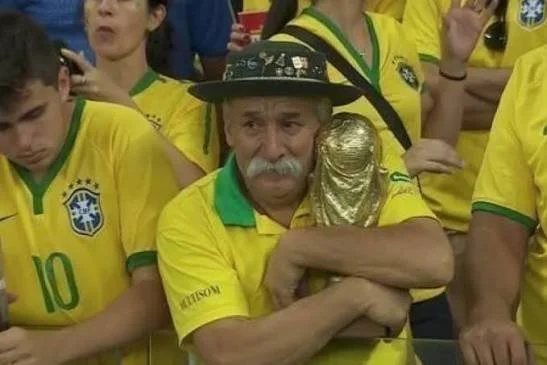
The frenzy of the 2026 World Cup is over, and most people have returned to reality.
But who won?
Spain hoisted the trophy, and Argentina was upset, but that’s not what I mean.
Who gained the most from the overall spectacle and came out the real winner?
FIFA?
Infantino?
Trump?
Because I’m pretty sure I know who the losers were.
The 2026 World Cup got pimped with all the glitzy bravado and excessive commercialism we’ve come to expect from the loudest of the host countries.
Scheduled “hydration breaks” conveniently made room for more commercials, with both fans and experts hating them…
Much like the extravagant halftime show got panned by almost everyone…
And yet, the 2026 World Cup drew record-breaking viewership.
Money talks and bullsh*t walks.
The result was $15B against the projected $11B.
Gianni Infantino (FIFA’s cartoonishly villainous president) brought home so much cash that he now feels invincible, even if his decision to retract a red card on Trump’s request would have caused a scandal in a more civilized era.
And that’s not even half of it.
Qatar hired fake fans for sportswashing, and FIFA accidentally got hype-jacked after trying to censor non-sponsors.
Oh yeah, just this week, Infantino tried to sell off parts of FIFA in a power move so controversial that UEFA declared a “loss of confidence” in his presidency.
The 2026 World Cup was far and away the craziest in recent memory, and there’s much to consider before deciding on a winner.
But I can already tell you who the losers were…
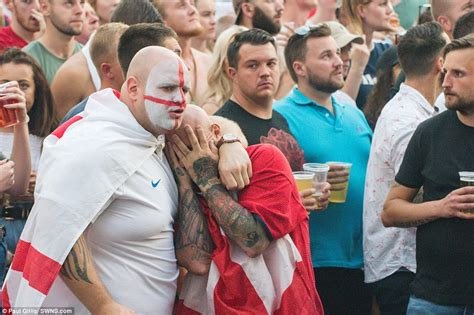
The fans.
Football isn’t about sports anymore
How the beautiful game became a media product
Before we really get started, I should probably admit something:
I don’t actually watch football.
There’s a strange conflict between the tempo of the game and my specific kind of ADHD that just makes it painful for me to look at.
But I like football as a concept, I love games in general, and I find the whole culture fascinating.
Also, I passionately hate FIFA.
Because the World Cup is supposed to be a symbolic war between nations… but without the actual politics.
It brings us together to have a national mass psychosis and temporarily hate the Swedes… until we get knocked out of the tournament, and then suddenly cheer for them.
The pitch is a symbolic battlefield where players win on skill and strategy, free from political and commercial interests.
Or so it should be.
But FIFA has slowly but steadily changed the rules to make the beautiful game more media product than sport.
One example is the controversial hydration breaks.
Fans see them as negative changes, and rightfully so.
Broadcasting networks are forced to make compromises for advertisers, but the game itself shouldn’t.
And I say this as an ad man who doesn’t even watch the matches.
When you let commercial breaks dictate a sport, the result is the NFL.
American-style football (egg-shaped ball, touchdowns, etc.) has seen so many rule changes over the past century that the only original part left is the concussions.
Real football hasn’t.
That’s why it’s the beautiful game.
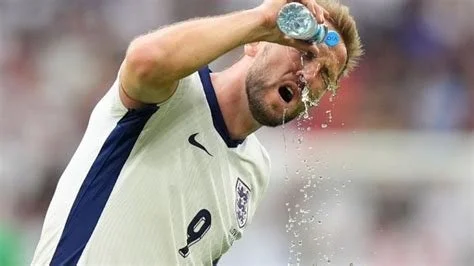
When mandatory hydration breaks were introduced at the 2014 World Cup in Brazil, they were a safety measure for when the temperature exceeded 32°C.
But this year, the breaks appeared as scheduled interruptions… looking an awful lot like planned commercial spots, effectively turning the two halves into four quarters.
This was hard to see as anything but “stealth advertising”, as football pundit Gary Neville put it, and Infantino’s grinning denial did nothing to change public opinion.
The celebrity-packed halftime show didn’t help either.
Former footballer Wayne Rooney called the halftime spectacle “crap” on live TV, and 93% of fans thought it was a bad idea, according to a survey by Danish TV.
But still, the 2026 World Cup brought in more viewers than ever before.
It’s a good reminder that you should never listen too much to focus groups.
$15B against projected $11B tells its own story.
Now, the question isn’t if people enjoy the commercialization of the game… but how soon they’ll accept it.
Many speculate that Infantino and FIFA are only testing the waters to normalize increased commercial time and even more sponsor presence.
To advertisers, this may sound good, but it should actually be a concern.
Live sports are one of the few remaining reasons for broadcast TV to exist. Here, it’s only natural that brands want to show more commercials… because they have almost nowhere left to air them.
But it breaks the social contract with the audience.
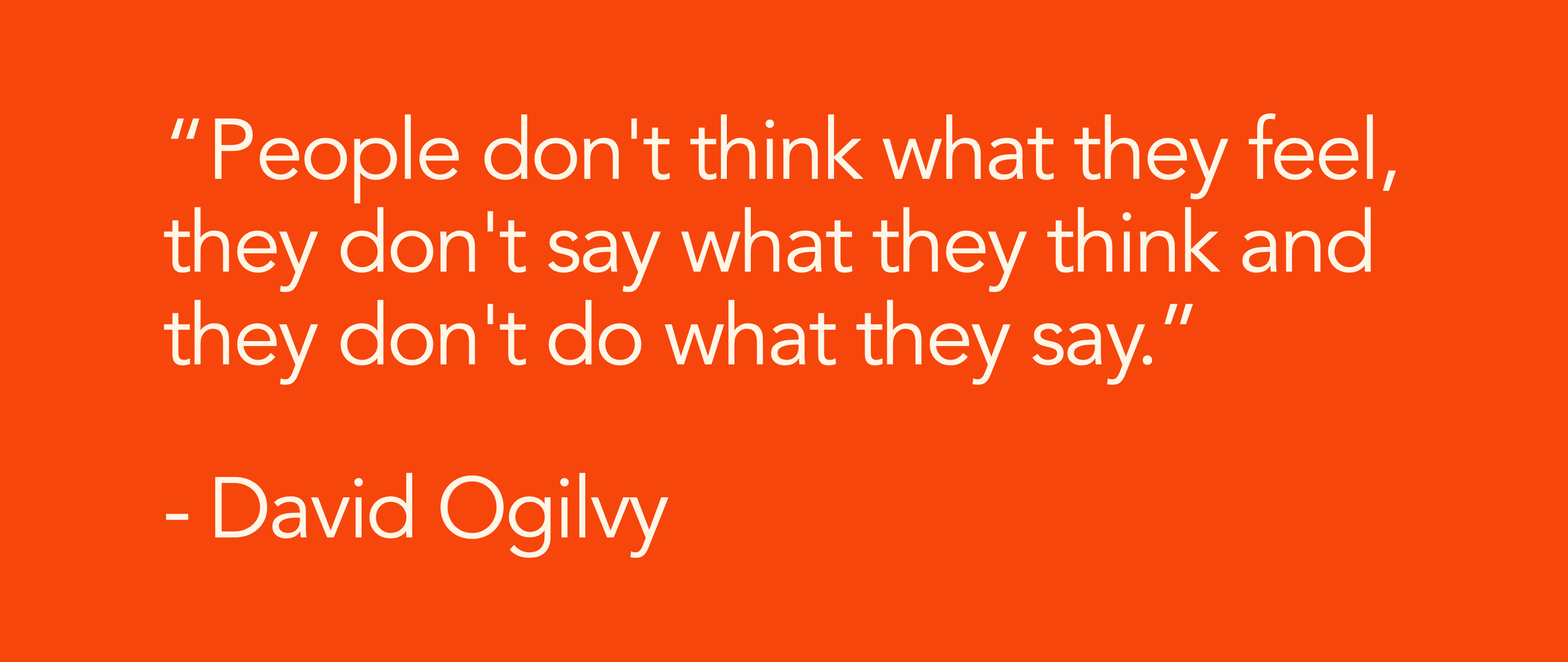
David Ogilvy (the father of modern advertising) was philosophically against billboard ads because he believed it was a breach of the social contract with consumers to force ads into public space.
What would he have thought of these ham-fisted commercial breaks, camouflaged as hydration concerns?
By adding more breaks, the already slow game is slowed down even more, and the fan experience is made worse for no other reason than to show more ads.
The more crap forced down people’s throats, the more they come to despise it.
And nobody needs more reasons to hate advertising.
Good advertising is about earning attention, not stealing it.
But Infantino doesn’t care.
Because what else will you do?
Watch darts?
Sports are commercials & commercials are sports
The double-speak of a totalitarian monopoly
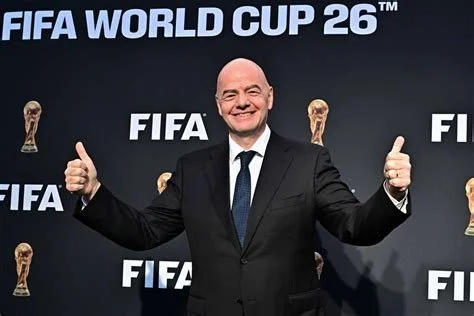
Infantino is bigger than football and doesn’t care about the fans.
Or anyone else, for that matter.
He serves the business of football and wields the supreme power of a monopoly.
Even if the halftime show and hydration breaks were universally panned, they brought home so much money that Infantino doesn’t have to care about the long-term consequences.
Hell, he doesn’t even have to worry about the appearance of his friendship with Trump. Or that FIFA was (once more) accused of sportswashing when Qatar (once again) hired actors as fans to add a sheen of popularity to a totalitarian regime.
Only the recent controversy with FIFA Forward Enterprise – Infantino’s attempt to privatize football, which made UEFA withdraw its support for him – suggests a weakness in his position.
But I doubt it will make a difference.
Infantino floats above it all because monopolies are like dictatorships.
In a monopoly, the president or CEO can openly lie to audiences that have no choice but to accept it as a shared fiction.
Just like Putin or any other dictator can lie to their people.
It’s a kind of Orwellian double-speak that only works because the public is forced to suck it up and live with the cognitive dissonance.
Here, all the rules for community branding and cultivating healthy customer relationships go out the window.
Marketing is all too easy if the consumer is enslaved.
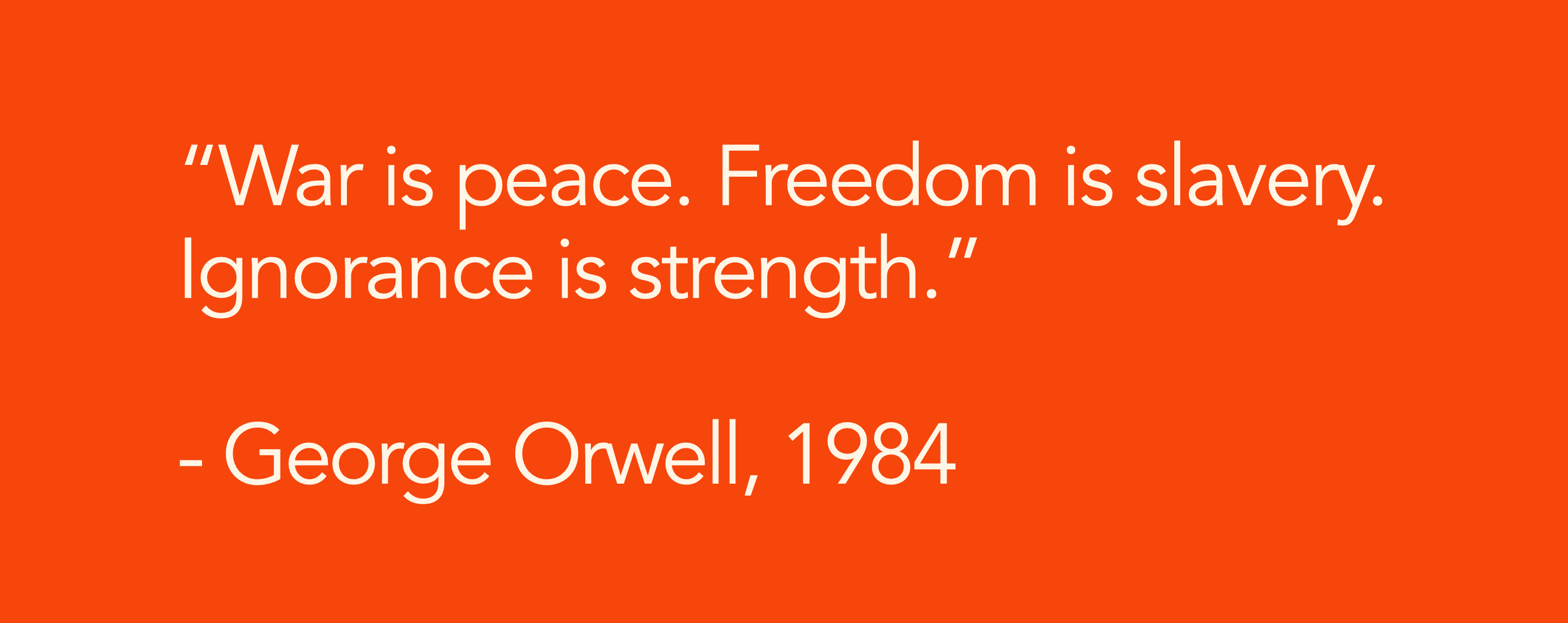
Beyond accountability, Infantino can employ the enshittification strategy of big tech and gradually make the product worse with more ads.
When consumers are given a choice, brands are forced to think about the perceived fairness of their actions.
But monopolies always lead to exploitative customer relationships.
Maybe it’s because dictators and powerful executives share a problematic personality type.
Top CEOs are 10-20 times more likely to have psychopathic traits than the general population, with the exact number varying between studies.
Now, bear with me, because this next sentence is totally unscientific, just a personal layman’s hypothesis, not based on any psychiatric facts (so don’t sue me)…
I think it’s because Infantino is the kind of high-functioning psycho for whom it comes naturally to seduce targets with love bombing before gradually making their lives a living hell.
It’s not nice to armchair-diagnose, but it’s a behavior that ties into a bigger problem in business.
The pathologically limit-pushing and boundary-breaking psychopath will always try to exploit and abuse loyal fans because that’s how his brain works, and that’s how he has become successful.
He doesn’t know any other way.
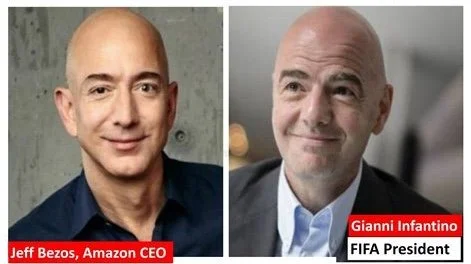
The similarity in baldness is coincidental. The similarity in dickheadness isn’t.
From a certain simplistic business point of view, it's just best practice.
And that’s a problem in our dystopian late-stage capitalism.
In the name of profit, even the most destructive and antagonizing behaviors can be spun and justified as fiduciary duty to shareholders.
The result is short-term maximization at the expense of long-term value.
When a brand stops serving its customers to serve only its shareholders, the fans get caught in an abusive relationship.
It’s a brutal explore/exploit game optimized for the wrong metrics.
When only playing the short game – in a boardroom isolated from reality or a brain cut off from empathy – it makes perfect sense.
One man’s best practice is another man’s psychopathic justification.
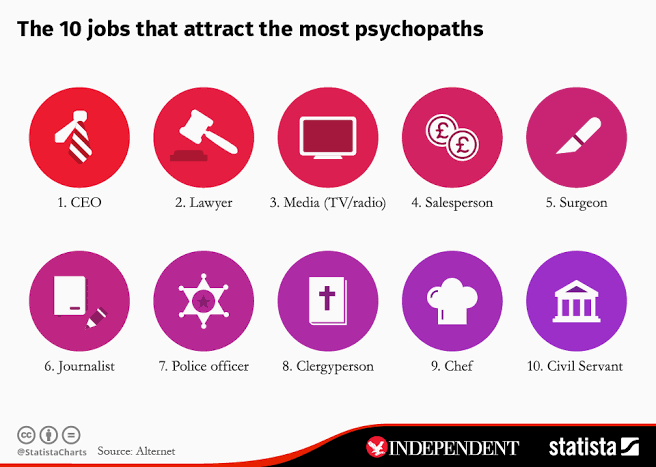
I fear that many business leaders see Infantino as a kindred spirit and role model.
Reductive exploitation has created a sharp divide between companies that gaslight their way to power (or fail trying) and the brands that build long-term on truth, quality and user-first principles.
The successful power players almost always become bullies to their customers and usually their partners too.
I know, because I have worked for some of them.
I’ve also been a romantic partner to one.
That’s how I learned that good marketing, like any relationship, must always be based on the truth.
Bully brands never have anything true to say, just manipulation without substance.
For that reason alone, it’s almost impossible to make long-term, meaningful marketing for them.
Fortunately, it’s both easy and fun to make marketing against them.
Don’t look here!
Even FIFA isn’t immune to the Streisand Effect

If there’s a bright spot to FIFA’s anal control fixation, it must be its awkward attempt to delete non-sponsor brands from the World Cup.
Well, maybe it’s not “bright” as such, but it is kinda funny.
The U.S. stadiums, which were already named after sponsors of their own (Levi’s Stadium in Santa Clara, Gillette Stadium in Boston, etc.), had to change their names for the event so as not to offend the World Cup advertisers.
But this created a problem.
Changing the names meant covering the giant, flashy stadium signs with giant, clumsy covers that looked so ridiculously out of place they wound up attracting more attention than if FIFA had done nothing.
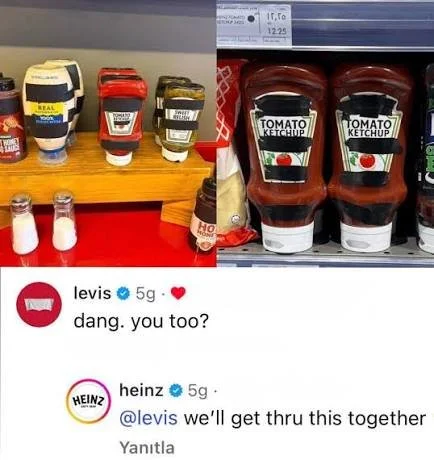
If you tell people they aren’t allowed to look at something, it’ll only make them want to see it more.
That’s the Streisand Effect: attracting attention by trying to avoid it.
But FIFA’s misplaced control fixation didn’t stop there.
Even the condiments at the food stands – something as unimportant as ketchup and mustard – had their identity concealed…
But in the laziest way imaginable.
Because FIFA simply put a piece of black tape over the logo so no one could possibly guess which iconic ketchup was inside the easily recognizable bottles.
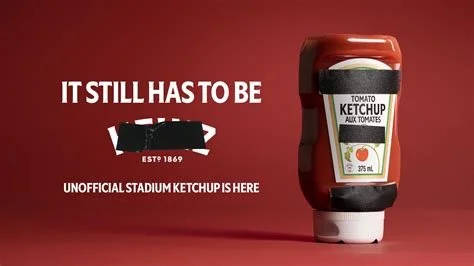
Heinz used the absurdity to hype-jack the situation and position its classic brand assets as something too iconic to be censored.
It was a perfect opportunity for Heinz to capture cultural tension and create advertising that earned attention worldwide.
For FIFA, it was just the logical thing to do.
Every seller of ad space has an obligation to its paying advertisers not to display freeloading brands.
But this was done so clumsily that either the fine folks at FIFA don’t understand the Streisand Effect, or they don’t care what anyone thinks of them.
And just the fact that FIFA is now so universally disliked that f**king Heinz can become the relative David to their Goliath should tell you exactly how little they care.
Conclusion: We are all cooked
The final stage of enshittification
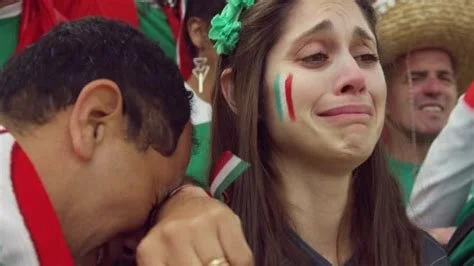
The sport is a media product.
The fans are like Aesop’s boiled frog.
The enshittification of football is real.
In Aesop’s fable (the Greek storyteller, not the beauty brand), the frog doesn’t realize it’s being boiled because the temperature of the water is only turned up slowly.
Otherwise, the frog would jump out.
But football fans don’t have anywhere to jump, and Infantino can crank the heat with no concern.
That’s why this year’s World Cup rubbed so many people the wrong way.
Enshittification, a term coined by the brilliant writer Cory Doctorow, happens in three stages:
1: A service exists for its users to attract more users.
2: The service hits critical mass and pivots to serving its advertisers, at the expense of its users.
3: The service becomes a monopoly and pivots to serving itself, at the expense of its advertisers.
That’s how Google in 2019 wound up making its search less efficient (= worse), so users would be forced to search more times for the same results and thereby see more ads… while also driving up the price of said ads.
Now, it’s happening to football.
With no regard for anyone or anything, FIFA is testing both second- and third-stage solutions in real time.
By only lazily concealing non-sponsor names, FIFA gave attention to the very brands they were supposed to remove.
Either FIFA doesn’t know basic psychology, or they don't even care about their own advertisers… an ice-cold third-stage move.
But whether it’s ignorance or indifference, it doesn’t matter.
There are no winners in the long run.
Soon or later, monopolies – like empires – rot away at the core and collapse under their own hubris.
Sports are one of the only monocultural cornerstones left and one of the few remaining cases for commercials on broadcast TV.
It’s harder than ever for brands to get mass attention, and Infantino knows it.
The fans are cooked, and soon advertisers might be too.