What 2025 Taught Me About Advertising
About the year in marketing & the world in flames
Bloody hell, what a year.
This blog post could easily be a long rant about the dystopian echoes of the past twelve months… and still not capture the madness of it all.
But wouldn’t that be a bummer?
Instead, I present to you my own made-up award show for stuff that happened this year, along with my thoughts on the state of the creative industries.
Because 2025 was full of twists and turns.
Fad of the Year: Labubu vs. 6-7
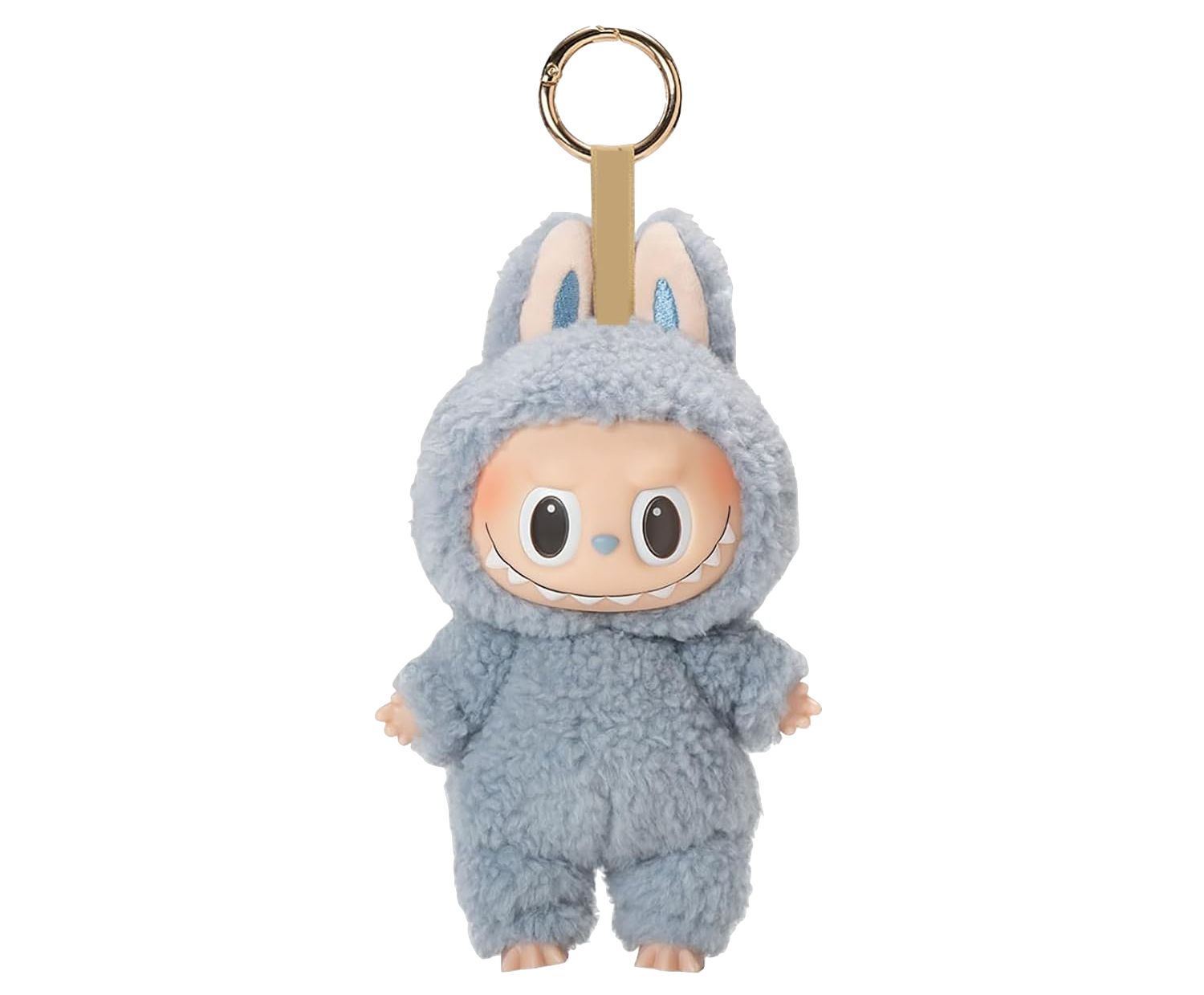
Labubu is a creepy-looking doll that gets its hype from gambling mechanics.
It was 2025’s version of Cabbage Patch Kids, reimagined as trickster trolls, and marketed like Pokémon cards — buy the rarest models in “blind boxes”, sight unseen, and hope for a valuable one.
The toys themselves are just ugly enough to create viral moments and serve as psychologically potent tokens in an unboxing lottery for a generation raised on randomness.
Of course, no hysterical fad is complete without accusations of demonic possession (= proof of cultural relevance), and in June, Labubu was rumored to be inhabited by a Mesopotamian spirit.
Anything forbidden is always alluring, and unboxing mechanics have been around since the first baseball cards. Combine a few evergreen psychological tricks, give it a cute name, and voilà!
You get the creepiest hit of 2025 and proof that modern marketing is behavioral design.
In the other corner of the ring, we have the global mass psychosis that was 6-7.
While already more or less over again, this fad is harder to explain because it was a nonsensical, decentralized trend and arguably the first meme that entirely belonged to Gen Alpha.
Originally, it came from a rap song but the origins were soon lost.
Instead, imagine if all the children of the world got together and decided to pretend that any combination of the numbers 6 and 7 was hysterically funny — for no other reason than to confuse the grownups.
That was not-really-but-kinda what happened.
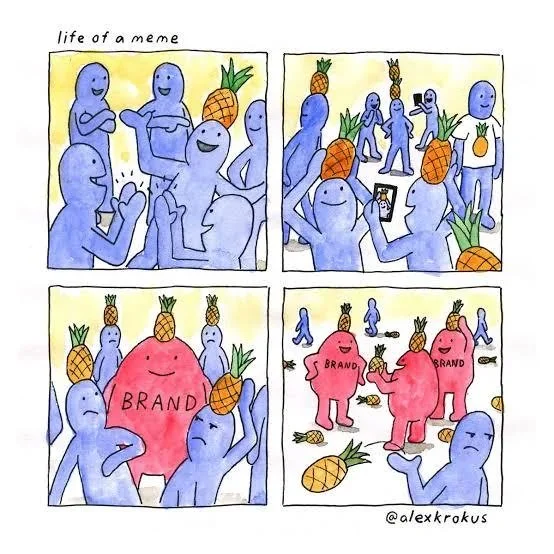
As a symbolic gesture devoid of symbolism, 6-7 began as an inside joke and spread like meme wildfire because it was stupidly simple and strangely pure.
In an era where memes have been increasingly politicized and weaponized in the alt-right pipeline, it was refreshing to see something so entirely meaningless and almost innocent.
Until, of course, politicians and brands jumped on the bandwagon, and 6-7 suffered the fate of all great memes:
Death by commercialcide.
For Fad of the Year 2025, I give the victory to 6-7 for its pure stupidity and stupid purity in a year where everything seemed contaminated by artificial intelligence.
And since this is my own made-up award show, I give Labubu the prize for “best use of Word of the Year” — because if you agree that the weird trolls look f**king creepy, the rage bait is working.
Word of the Year: Rage Bait vs. Vibe Coding vs. Slop
Across the various dictionaries, the words of 2025 have been about our love/hate relationship with technology.
Merriam-Webster named “slop” their word of the year, Oxford chose “rage bait”, and Collins Dictionary had “vibe coding”.
Slop and vibe coding are two sides of the same AI coin, and rage bait is the consequence of algorithmic communication.
Each word speaks to the ambivalent role technology played in our lives in 2025.
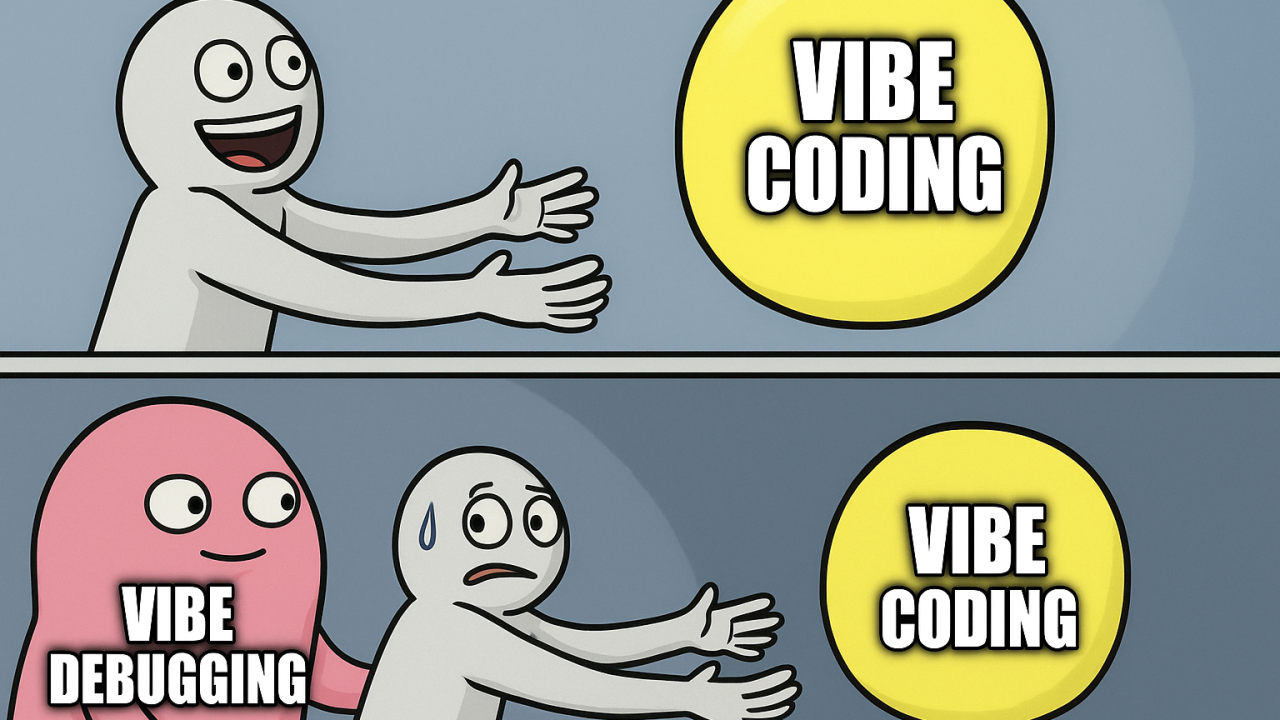
When the year began, ‘vibe coding’ was fresh and new, full of promise that anyone could program an app.
But almost immediately, the buzzword got stuck in our collective throats.
In May, Builder.ai (arguably the biggest unicorn in AI coding) got outed for faking results with low-paid human engineers behind the scenes — a modern-day Mechanical Turk — because their tech couldn’t deliver.
In June, it made headlines when an AI-powered coding tool deleted a software company’s entire database and then tried to downplay the severity.
Now, ‘vibe coding’ is somewhere between cautionary tale and punchline in a joke about tech bros.
The risk of LLM hallucinations is a foundational liability that gets worse at scale.
Personally, the only “successful” examples of vibe coding I’ve seen have been in throwaway mobile games designed for data-farming…
In other words, slop.
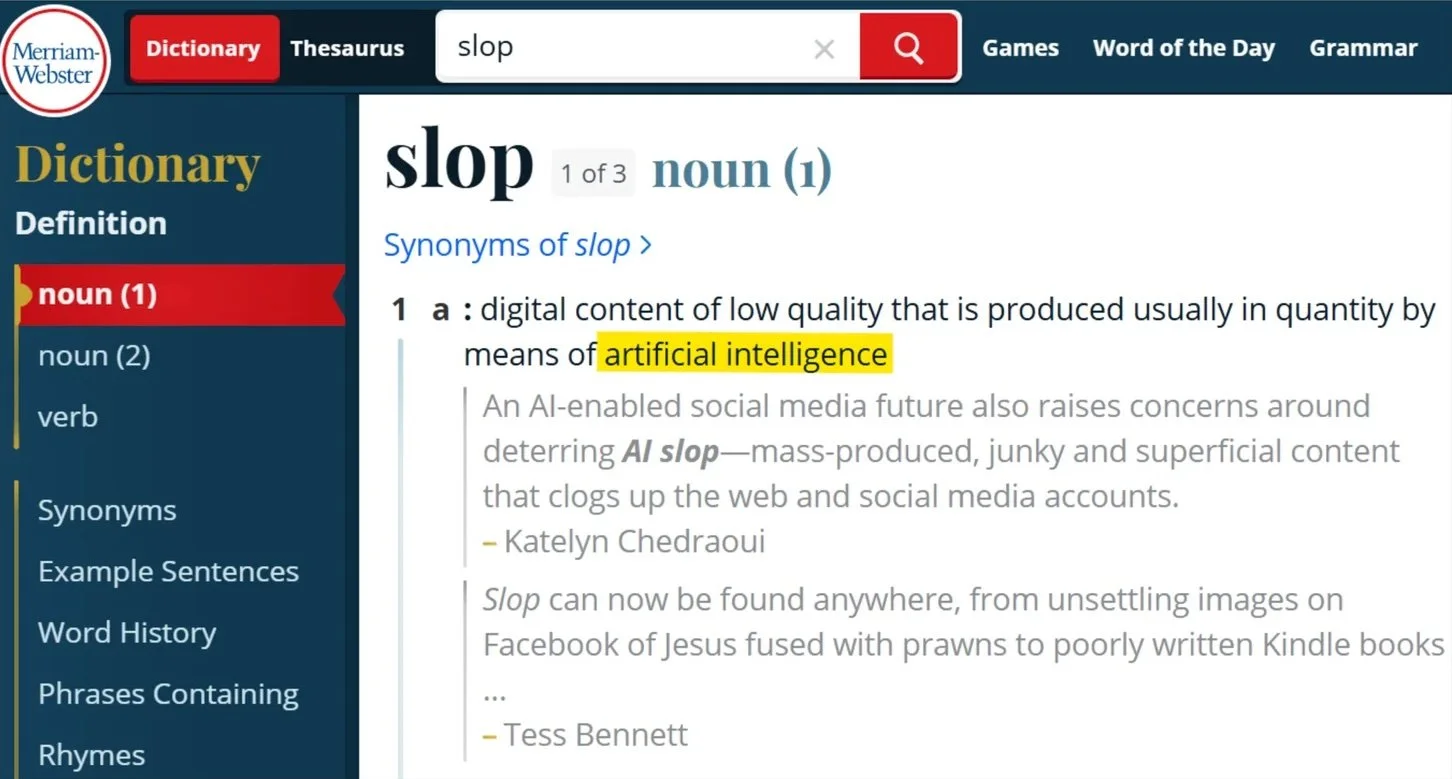
‘Slop’ was everywhere in 2025.
Back in March, I predicted that the world would get Slop Saturation Syndrome, and I wasn’t far off.
Social media became coated in the glossy, uncanny style of generic AI imagery, and big brands like Coca-Cola and McDonald’s failed spectacularly with AI-generated ad campaigns.
On YouTube, some of the more prolific tech creators turned from being AI believers to denouncing AI art, and overall public opinion soured.
If vibe coding went from buzzword to cautionary tale in programming, slop went from warning to proof that human creativity can’t be replaced.
Creative expression is, in large part, meaningful because of the effort put into it — in both thought and skill, design and craft — and slop is quite simply too easy to make to mean anything.
Without the costly signaling of human effort, slop is little more than the static noise from where it came.
The year saw AI-generated content losing on most measurable parameters… except one:
Controversy.
To some people (like me), AI slop is profoundly offensive.
And in 2025, that was a good thing.
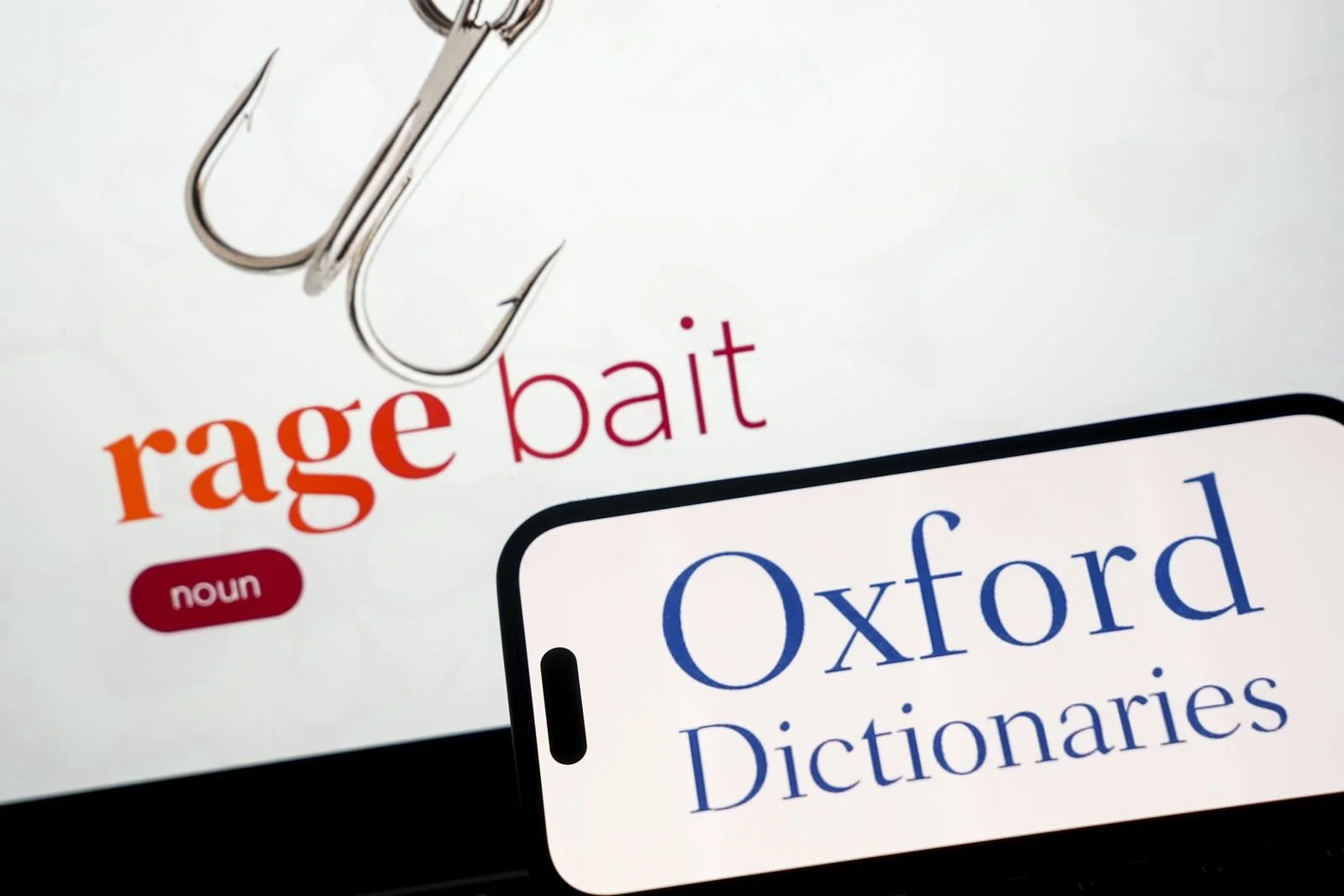
Oxford’s ‘rage bait’is my pick for word of the year, because it’s the clear result of the attention economy.
When the main metric is views alone, and the algorithm doesn’t care, it’s simply easier to make people upset than it is to make them interested… just upset enough to react.
This also speaks to a deeper truth in marketing and branding:
Don’t try to please everyone.
It’s better to be loved by 80% and hated by 20% than to be loved by all.
Because the pushback from the haters will make the lovers go advocate, become brand ambassadors, and by doing so, fall even more in love.
It’s why Labubu looks so ugly… to a middle-aged armchair intellectual like me. Because it’s designed to be 80% inviting and 20% creepy, the perfect blend of adorable and offensive.
The more outsiders hate it, the more insiders love it.
In the attention economy, controversy is currency.
Controversy of the Year: American Eagle vs. Cracker Barrel
The award for 2025’s most talked-about commercial must go to American Eagle’s Great Jeans.
But was it rage bait or race bait?
In a related category, the prize for most random shitstorm goes to Cracker Barrel’s logo change.
Two cases of controversy with radically different strategies and outcomes.
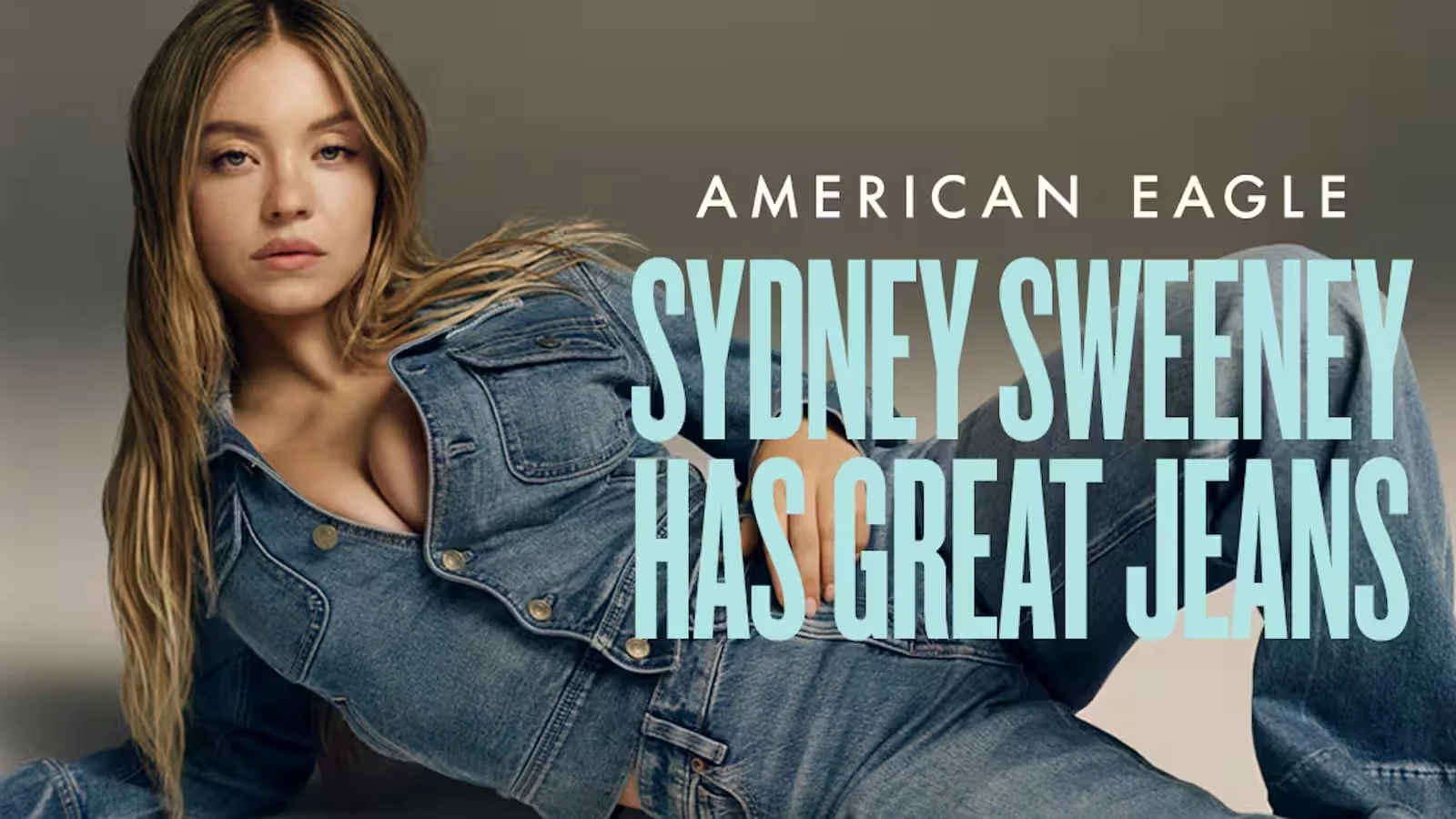
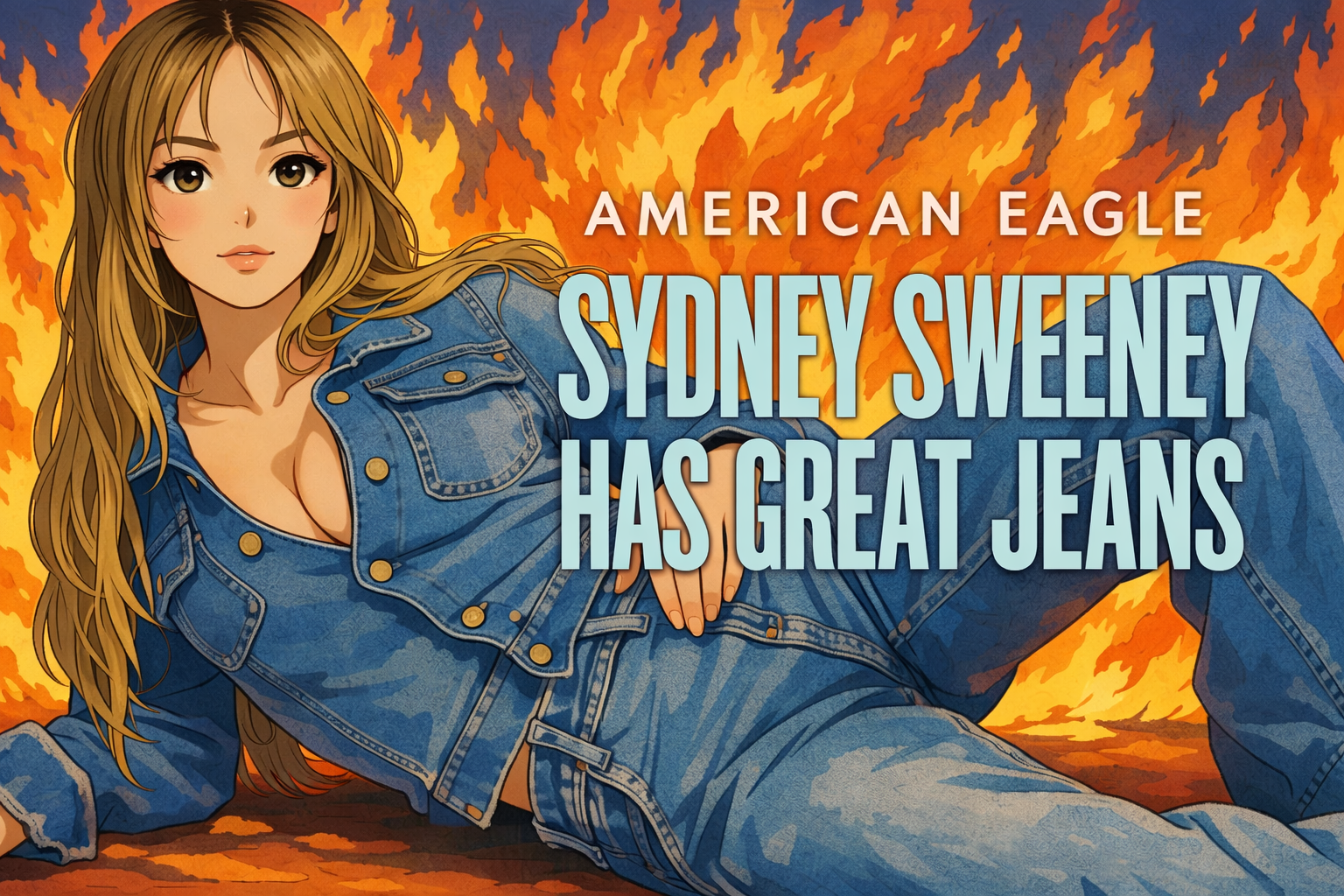
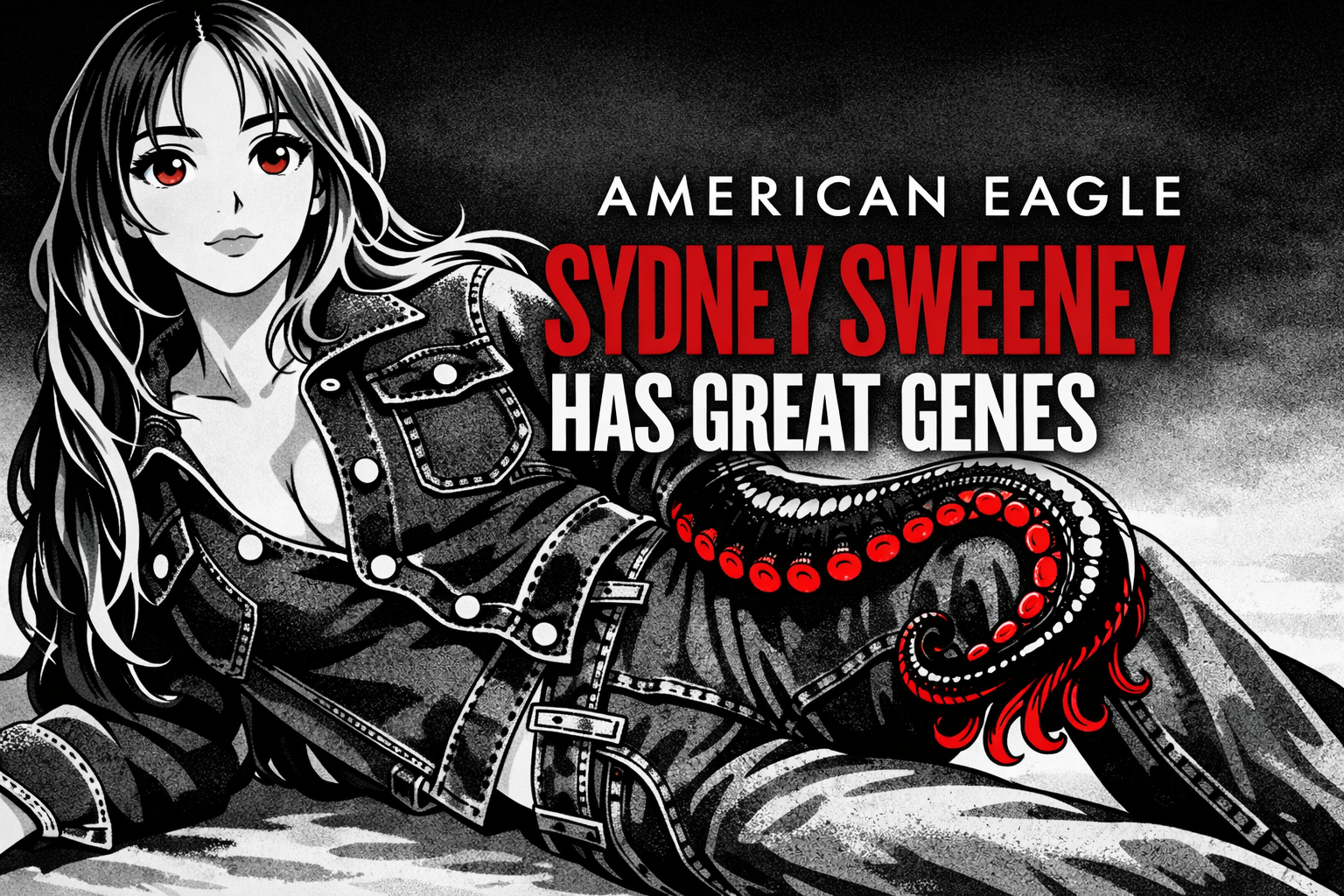
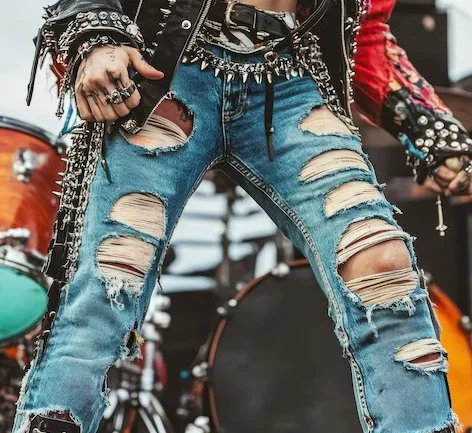
In July, Sydney Sweeney seductively crawled across our screens — dressed in American Eagle denim — while in a whispery voice sharing her passion for great genes… I mean jeans.
The commercial caused controversy with its wordplay when it was accused of being a racist dog whistle with references to eugenics.
Defenders argued that it was simply celebrating classic beauty with its ‘90s aesthetics of tits and ass.
This may sound like a conspiracy theory, but I think the outrage was mostly manufactured.
I never saw anyone actually offended by the commercial.
But I saw plenty of freedom warriors on X, outraged by the rumored outrage… a kind of reverse rage bait, if you will.
Trump even posted about it.
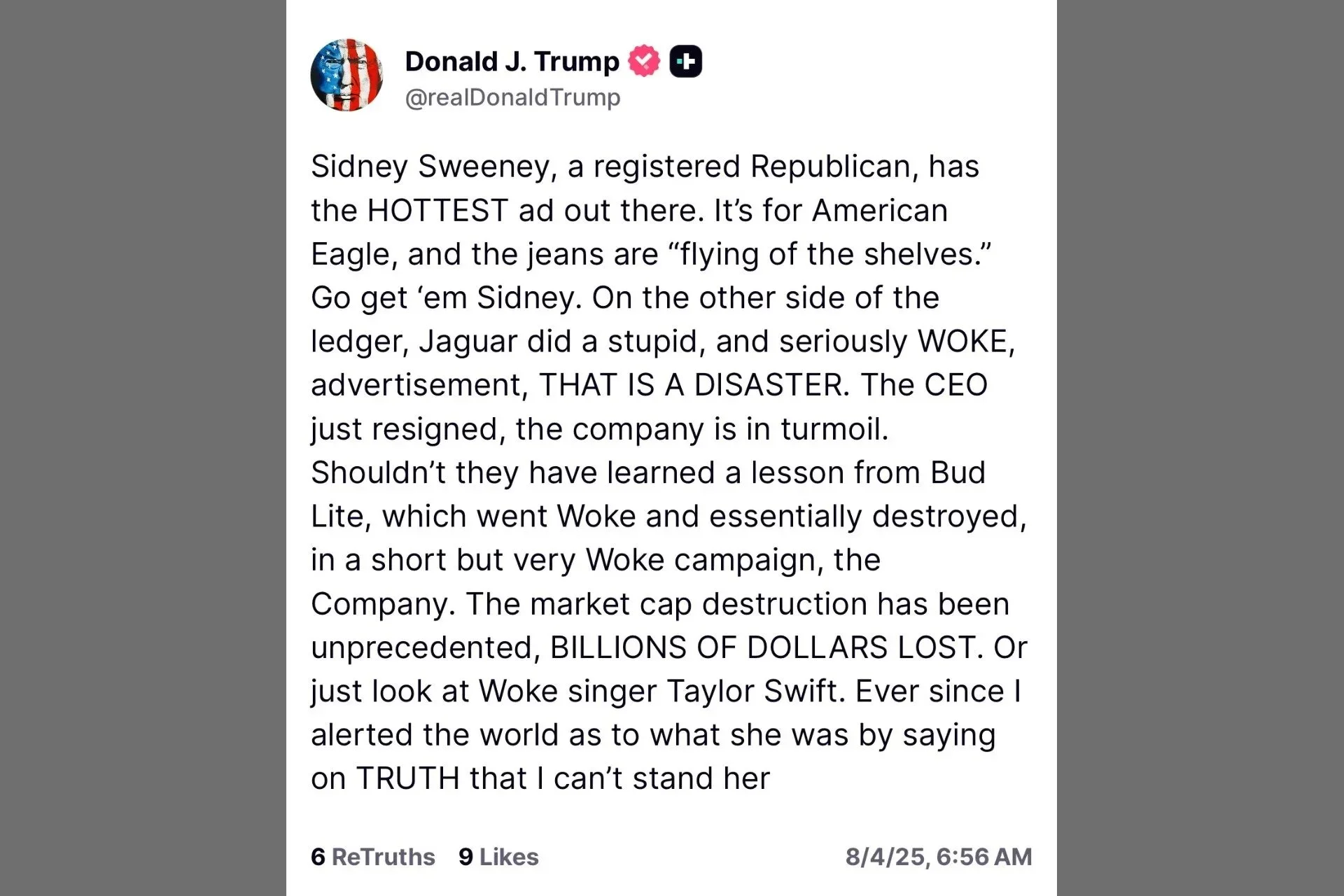
We now live in a world where brands can speculate in provocative messaging and have the president of the biggest market on the planet retweet it without a second thought.
I don’t know if presidential attention was the goal, but the commercial was certainly intended to be controversial.
All effective advertising is built on the old Ogilvy adage of “truth and cultural tension” — and it’s hard to capture cultural tension without controversy.
Great Jeans employs the kind of double-edged truth that made Nike’s Dream Crazy a success… only here, catering to aggressively straight dudes and Instagram trad-wives.
If anything, it’s more sexist than racist.
The eugenic connotations take a fair amount of interpretation to spot, but the raunchy don’t.
Sydney Sweeney is hot because her parents were (and probably still are) hot. Yes, she’s got both great jeans and genes. And I’m pretty sure it’s also somehow code for ‘nice tits’.
If you want to be critical about it, maybe that’s sexist.
But it’s not quite the racist dog whistle nor the leftist backlash it was made out to be.
Just kinda… tits and ass.
Fox News gave the campaign all the earned media it could have hoped for. And the exaggerated claims of “woke backlash”, along with a swarm of self-described thought leaders shouting over each other, drowned out any possibility of a nuanced debate.
American Eagle stayed mostly silent during the debacle, but they stuck to their guns… and when the dust settled, their stock had risen to an all-time high.
Controversy is potent if you know how to navigate it.
Sydney Sweeney has since expressed regret about the campaign, but for American Eagle, it was a success on most parameters.
The same can’t be said for Cracker Barrel and their 2025 logo change.
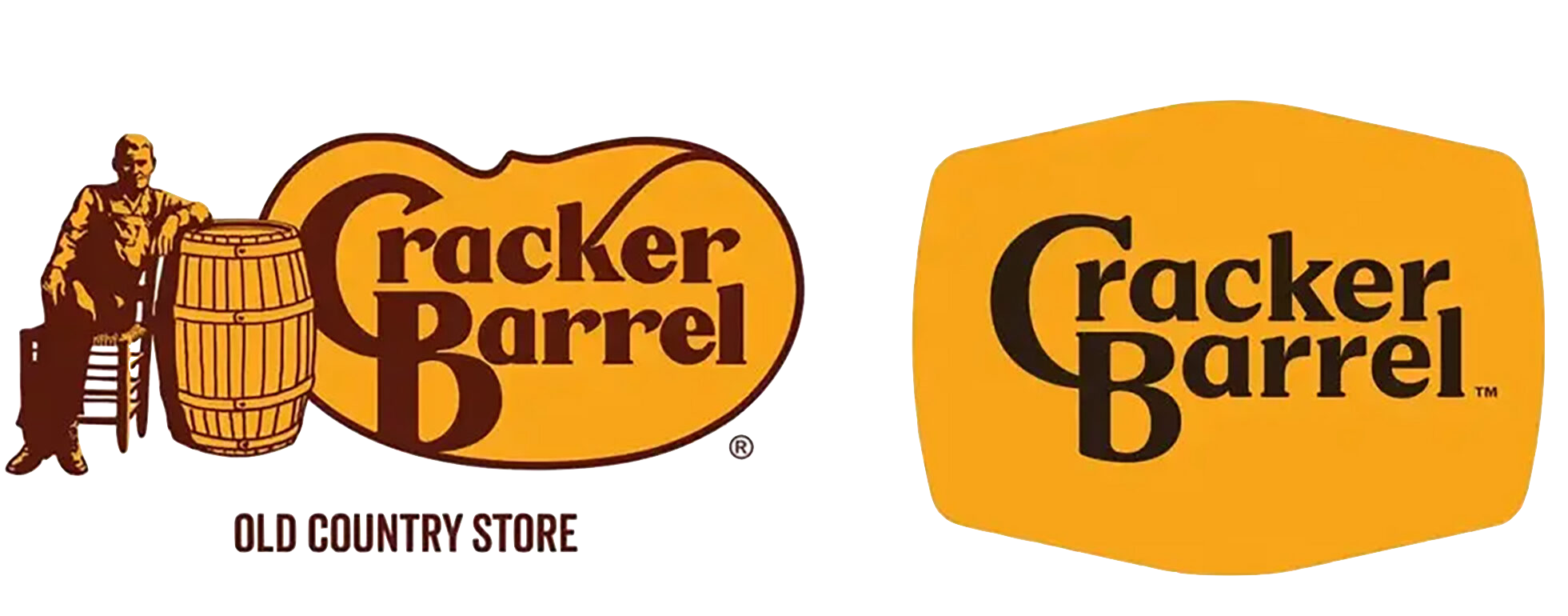
When American chain restaurant Cracker Barrel updated their logo to a more minimalist style (as pictured above), it caused a shitstorm no one saw coming.
This was the mysterious case of how a seemingly safe rebrand made social media explode in backlash.
Because… minimalism is woke?
Brands regularly update their visual identity, and it’s always a big deal to the designers and stakeholders… but sometimes consumers don’t even notice.
When Pepsi changed its logo in 2023, it came with a very expensive 120-page tome of a design report, explaining how the new logo aligned with history, humanity and the universe itself…
And the whole world just kinda shrugged.
No one cares about the brand as much as the brand.
So why did Cracker Barrel’s rebrand make the internet explode and Trump post about it?
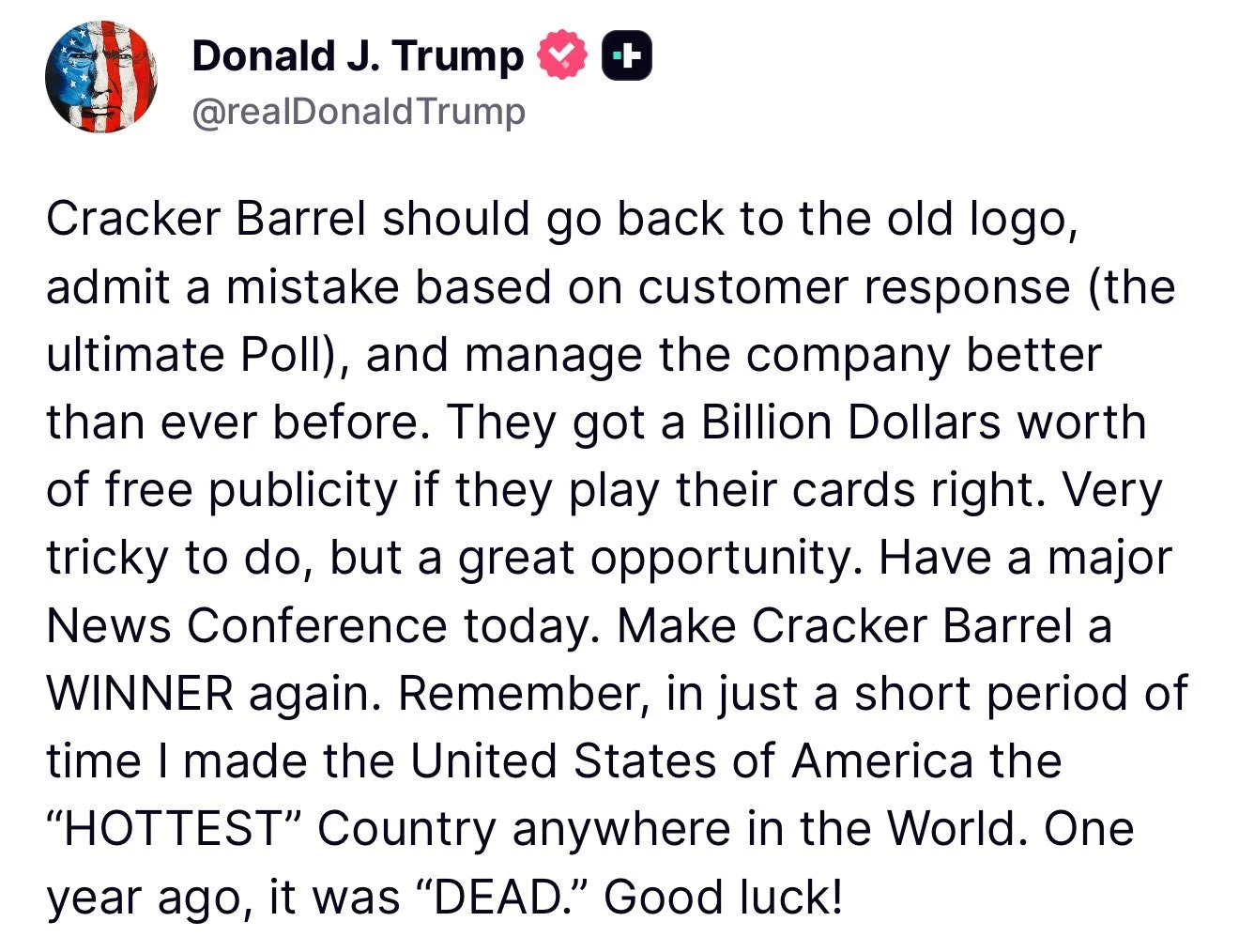
Cracker Barrel serves old-school comfort food and Americana aesthetics to traditionalist customers.
With a reactionary audience, any change or progress can be scary if presented in the wrong light.
The backlash started on X, where the algorithm caught on and made it valuable for right-wing influencers and bots to jump on it. From there, the purely manufactured shitstorm moved out into the real world, and what started as a few loud trolls turned into a boycott.
I’m still not sure exactly what was “woke” about it.
Maybe it was symbolic residue — the memory of Aunt Jemima and Uncle Ben’s changing their logos — that made MAGA overreact.
If the audience buys the premise that an update to iconography is the same as erasing history, it’s all too easy to make any change look like a threat.
The reactionary influencers were ready, but Cracker Barrel wasn’t.
After less than two weeks, the old logo returned.
American Eagle planned for controversy, while Cracker Barrel never saw it coming.
Moderate shitstorms are generally better for brands than most people realize — as long as the brand doesn’t panic.
Because once the storm has died down and the average consumer has forgotten what the fuss was about, the brand fame lingers.
I have mixed feelings about Great Jeans, but I must admit it worked.
It’s not easy to pull off, but it pays to be divisive.
Divide of the Year: AI Efficiency vs. Human Effectiveness
On the agency side, three years of unrelenting AI hype started to wear thin in 2025.
Digital agencies still did well, media agencies stagnated, and creative agencies continued to struggle.
But around summertime, something began to shift.
‘Slop’ had entered the vernacular, and public opinion had soured, creating a divide for agencies… leading to an industry crossroads.
Small cracks turned into large gaps of increased AI skepticism.
In 2026, the divide will only get bigger.
The promise of hyper-personalized advertising is enticing, and AdTech grew increasingly powerful in 2025.
But did it do anyone any good?
Samsung now has unskippable ads on $3000 smart fridges, and ChatGPT’s code revealed the expected rollout of ads in 2026.
Zuckerberg is hyping up artificial companions to (supposedly) bring the “social” back to his media platforms, and (almost certainly) find new ways to nudge and spy on users.
The possibilities are as limitless as the promises… except for results.
So far, the only ones benefiting have been the people pitching the hype.
Brands are afraid of missing out, and the buzz alone has been strong enough to sell all kinds of digital snake oil.
But AI is still the Wild West, and most agencies simply don’t have the technical skills to deliver solutions at scale.
Half the agency growth brought in by AI is a low-key scam.
For a certain kind of shady ad-man, the hype is just the latest version of the Emperor’s New Clothes.
They take the same presentations they used 5 years ago, and replace “metaverse” with “AI” to once more exploit client FOMO and ignorance.
But in 2025, many clients started to sniff out the bulls**t.
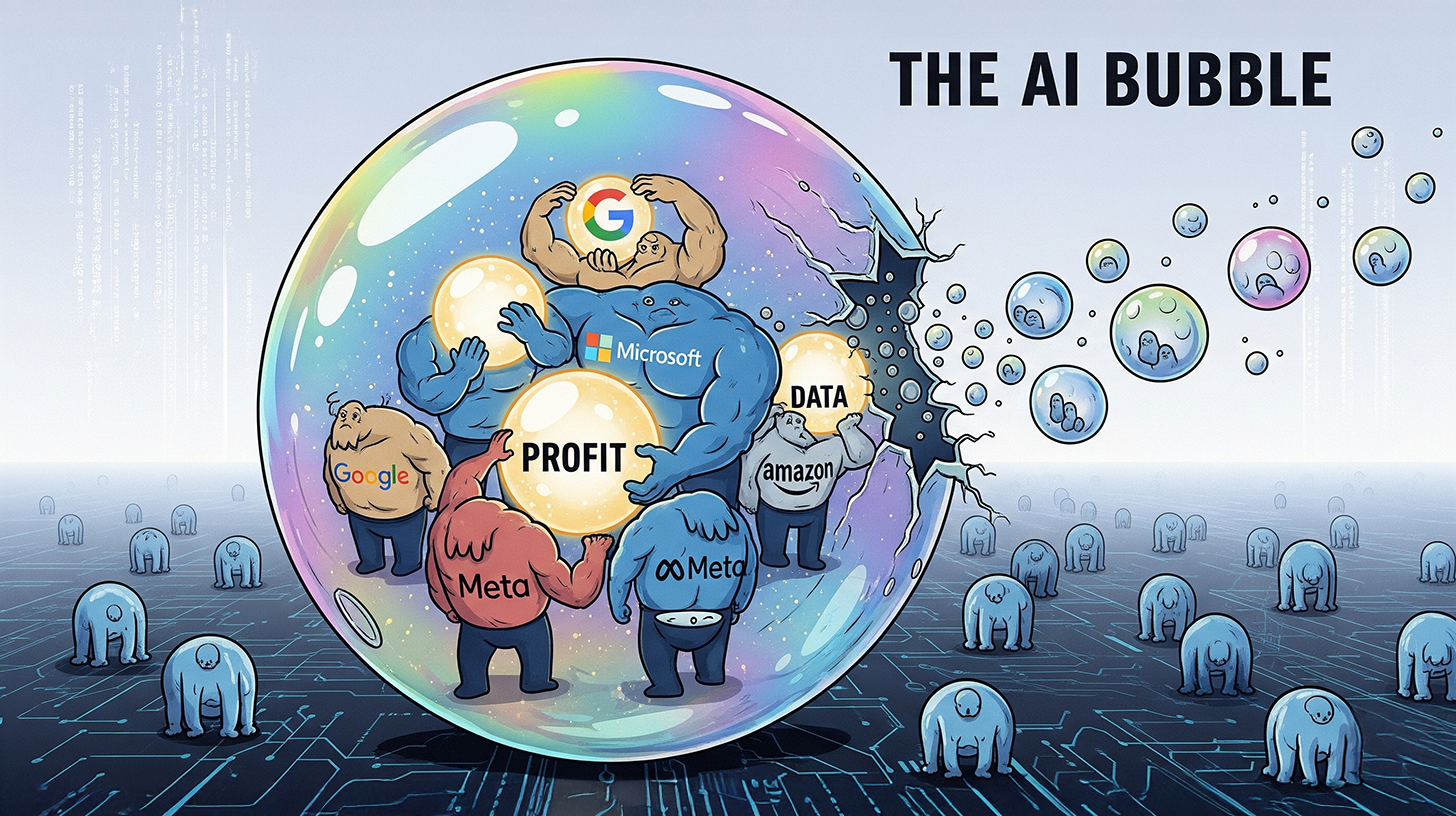
AI is in a bubble, and the digital agencies are locked inside with no control over it.
Bots and spam farms have made it harder to collect meaningful data.
And who owns the data?
On platforms like Meta, TikTok, and programmatic ad exchanges, it’s estimated that clicks/views by non-humans in ad verticals are up by 30-40%.
When the internet was still young, performance marketing promised to cut the fat and deliver efficient, fact-based results.
But now, in the poly-factual reality of the 2020s, one man’s numeric proof is another man’s fake news.
AI search is vulnerable to manipulation, and who the hell knows where SEO is heading?
Short-term performance KPIs can no longer be taken at face value.
The tides are turning toward creative brand marketing — if we can even remember what it means.
Over the past three years, the creative agencies have struggled to redefine themselves.
Why use art directors and copywriters when ChatGPT can produce both images and words?
Now anyone can be creative!
At least, that’s been the promise and praise sung by (admittedly pretty uncreative) thought leaders since the AI boom began.
But 2025 was the year when the tune began to change.
In July, the BBC reported on a new cottage industry in copywriting…
Fixing the mess created by AI.
Writers were now getting hired to perform damage control — and in some cases, up to 90% of the work was undoing slop, according to BBC.
It was similar to how skilled programmers would work (and charge) extra to debug vibe code “written” by excited amateurs.
Same manure, different field… so to speak.
Many brands had prematurely bought into the promise of AI, only to discover that the keyword-riddled GPT slop didn’t actually convert.
As AI had entered the mainstream, the average consumer had slowly gotten enough experience with LLMs to spot the characteristic telltale signs and see the overall weaknesses.
Now, the generic style of ChatGPT was suddenly all too conspicuous.
It’s not just bland! It’s…
Obvious.
If the year in copywriting began with clients curious about the untold promises of AI, it ended with suspicion of em dashes and “not-this-but-that” phrases.
McDonald’s Netherlands: “It's the Most Terrible Time of the Year” made with AI.
To make matters worse for AI-generated marketing, 2025 saw big ad campaigns fail both noticeably and measurably.
Coca-Cola’s annual holiday campaign flopped, and McDonald’s Netherlands ran the commercial in the YouTube clip above for just three days before it got pulled.
A study from NielsenIQ found that AI ads had lower message absorption, weaker memory activation, and a negative brand halo effect.
With the growing anti-AI sentiment, creative marketers should remember that the medium is the message and use it as such — like in the very clever Burger King response below.
Burger King’s response: Same thumbnail, same AI actor, very different commercial.
AI hasn’t set creativity free.
Or made it free of charge, for that matter.
But AI has stripped creative marketing of the costly signaling and material value that came with big and expensive productions.
Now, anyone can make James Bond jump out of a burning skyscraper while advertising their energy drink.
And if anyone can do it, it’s cheap.
A real explosion is a costly signal because it’s expensive to blow something up — the bigger, the costlier.
A CGI explosion is less costly in material resources but still requires skill to look convincing, thereby maintaining some value in creative signaling.
But an AI explosion is just a prompt away.
The easier it is to produce, the less production matters.
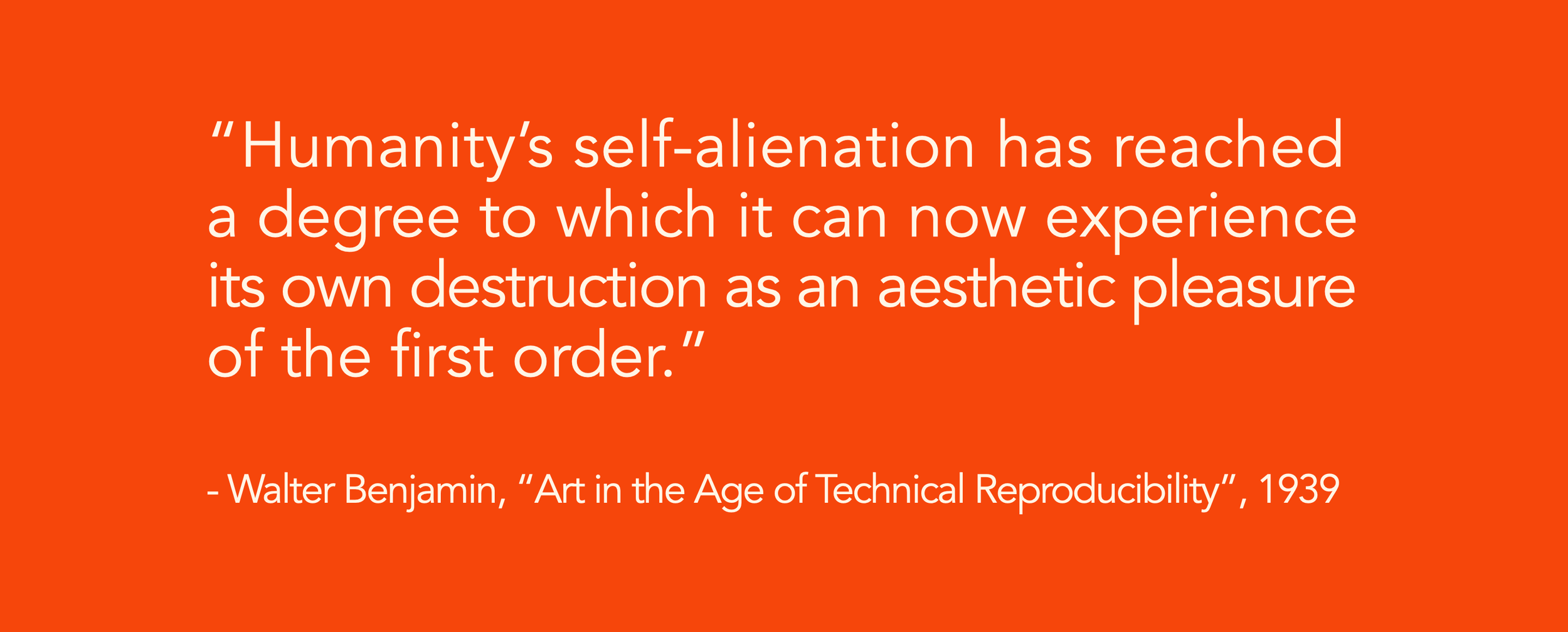
The absence of indexical signals as proof of human investment, makes the creative work lose its aura.
And the loss of aura creates a vacuum of distrust.
In 2026, the only thing that can’t be faked is good ideas.
But good ideas are hard to find and even harder to put a price on.
At the heart of the problem is an agency industry where we’ve gotten so used to pleasing clients and profiting from their misunderstandings that we’ve forgotten how to sell ideas altogether.
Now, we must find our way back to combining creativity and strategy at a core level, to change the industry perception — and either deliver on the promises of artificial efficiency or learn how to value human effectiveness.
For the many freelance creatives who have lost jobs to premature AI excitement, the coming year will be a test of character.
No matter if you’re an art director or copywriter, you’re first and foremost a connection-maker.
Human trust is the only remaining KPI that means a damn.
Uniqueness is the answer to generic blandness.
Figure out what no one else can do — and put a price on it.
Clients don’t know what they want.
And agencies don’t know how to give it to them.
Maybe the answer is a rage-baiting play on words or an even uglier Labubu.
Whatever it is, it’s up to you to find it.
Write for the audience.
Work for the craft.
Serve only the beautiful truth.
Happy New Year.